
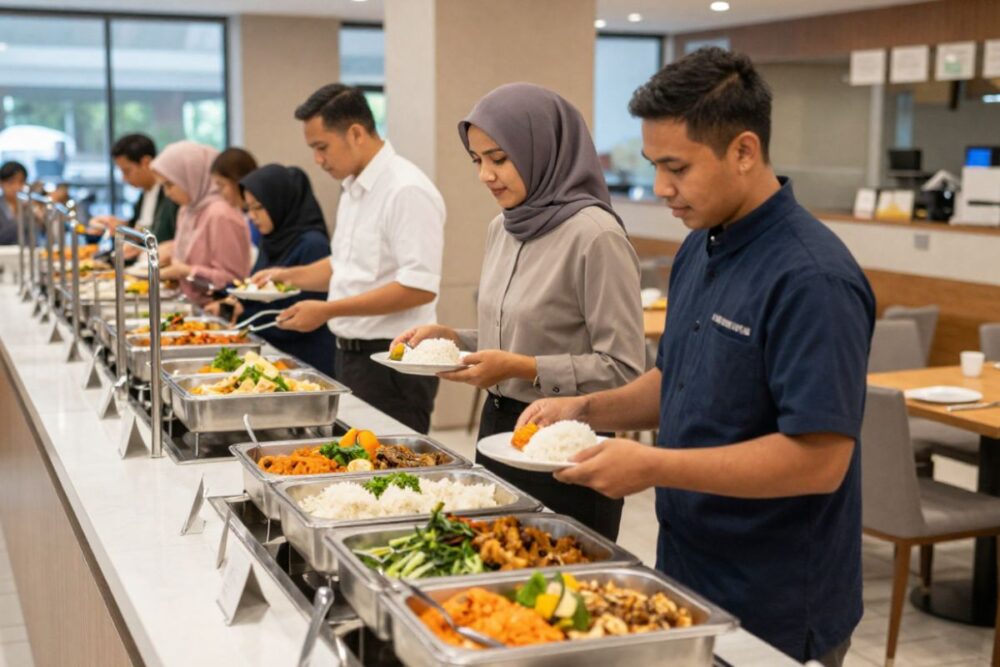
Why Professional Cafeteria Services or Cafeteria Operators Are Important for Workplace Dining
- 21 August 2026
Workplace dining plays an important role in employee comfort, productivity, and overall satisfaction. A well-managed cafeteria provides employees with convenient access to meals during working hours, reducing the need to travel outside the workplace for food. For businesses, maintaining an organized dining facility requires proper meal planning, food preparation, hygiene management, and daily operations. This is where professional cafeteria services or cafeteria operators become valuable.
In Malaysia, workplaces such as factories, offices, hospitals, educational institutions, and industrial facilities may require cafeteria arrangements to serve employees throughout the day. Professional cafeteria operators help manage these requirements by providing structured food services that suit different working environments. Through consistent food quality, efficient operations, and appropriate menu planning, they can support a more comfortable and convenient workplace dining experience.
1. Providing Convenient Meals for Employees
Convenience is a key reason businesses invest in professional cafeteria services. An on-site cafeteria provides employees with easy access to meals during breaks, reducing travel time and simplifying their daily schedules.
Cafeteria operators can adjust meal preparation and operating hours to suit workplace needs. Factories with multiple shifts may require meals throughout the day, while offices may focus on breakfast, lunch, and refreshments.
By providing convenient dining options, businesses can help employees manage their break times more effectively. This is especially useful in industrial areas where nearby restaurants and food outlets may be limited.
2. Maintaining Food Quality and Variety
Food quality directly influences employee satisfaction with workplace dining. A cafeteria that offers fresh, flavorful, and consistent meals is more likely to encourage employees to use the facility regularly.
Professional cafeteria services can introduce structured menu planning to provide a suitable variety of dishes throughout the week. Instead of serving the same meals repeatedly, operators can rotate menus and offer different proteins, vegetables, rice dishes, noodles, and other options.
Effective menu planning may include:
– Daily meal variety: Rotating dishes to reduce repetition and maintain employee interest.
– Balanced meal options: Offering appropriate combinations of protein, carbohydrates, and vegetables.
– Local food preferences: Including familiar Malaysian dishes that appeal to different employee groups.
– Special menu selections: Providing suitable vegetarian or other dietary options where feasible.
– Seasonal adjustments: Reviewing ingredients and menus according to availability and cost.
A varied menu helps accommodate different tastes while allowing cafeteria operators to manage ingredients and food preparation more efficiently.
3. Ensuring Food Safety and Hygiene
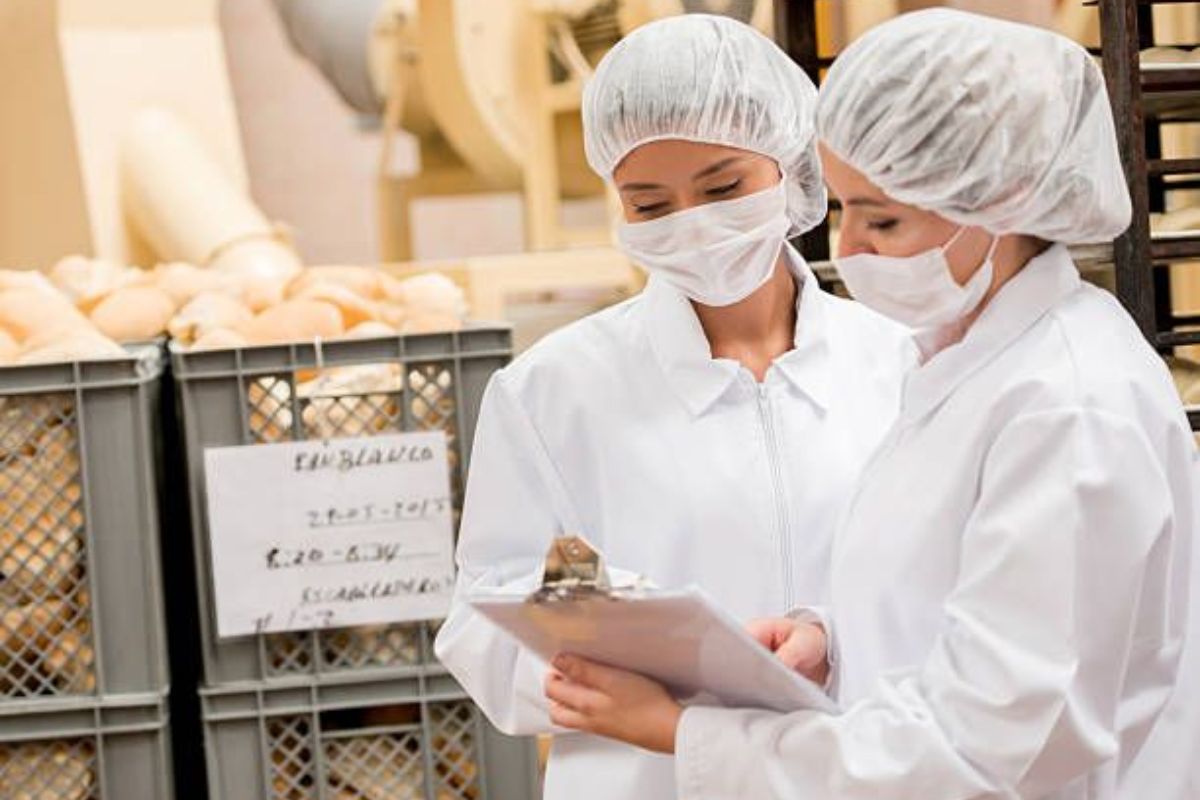
Food safety is a critical responsibility in any workplace cafeteria. Improper food handling, unsuitable storage conditions, and inadequate cleaning procedures can create risks for employees and disrupt business operations.
Professional cafeteria operators should implement appropriate food safety practices throughout the preparation and serving process. These practices include keeping food preparation areas clean, checking storage temperatures, separating raw and cooked ingredients, and cleaning equipment regularly.
Important hygiene measures include:
– Cleaning cooking equipment, utensils, and food preparation surfaces.
– Storing ingredients under suitable conditions.
– Following proper handwashing and personal hygiene practices.
– Preventing cross-contamination during food preparation.
– Managing food waste and keeping dining areas clean.
– Monitoring food quality during preparation and service.
These procedures help support a safer dining environment and build employee confidence in the cafeteria. Businesses should also ensure that their chosen provider follows applicable food safety requirements and maintains appropriate staff training.
4. Improving Operational Efficiency
Managing a workplace cafeteria requires careful coordination of ingredient purchasing, meal preparation, staffing, and cleaning. Professional cafeteria services help streamline these tasks through organized workflows, demand planning, and efficient serving arrangements.
In large workplaces, efficient operations help minimize queues, avoid meal shortages, and ensure employees are served during their scheduled breaks. Cafeteria operators can also use meal counts and employee feedback to adjust food quantities, improve menu planning, and minimize waste.
Plan Your Perfect Event with Big Onion Caterer
Experience exceptional halal catering in Malaysia—custom menus, fresh ingredients, and flawless service for weddings, parties, corporate events and other occasions.
5. Supporting Employee Productivity and Well-Being
Convenient workplace dining can improve employee comfort by providing easy access to meals during break times. Employees can spend less time traveling for meals, organize their breaks more easily, and resume work on schedule.
A well-maintained cafeteria also gives employees a comfortable space to relax and interact with colleagues. Professional cafeteria operators can support employee well-being by maintaining clean dining areas and offering balanced meals that suit different preferences. While cafeteria services cannot guarantee higher productivity, they can contribute to a more supportive workplace environment.
6. Managing Costs and Reducing Food Waste
Food costs are a key consideration for workplace cafeterias, with ingredients, labor, utilities, and food waste affecting the overall budget.
Professional cafeteria operators can control expenses through demand forecasting, portion control, and inventory monitoring. Estimating daily meal requirements also helps prevent overproduction and reduce food waste.
Cost management practices may include:
– Planning menus around ingredient availability and purchasing costs.
– Monitoring inventory to prevent spoilage and unnecessary purchases.
– Adjusting meal quantities according to actual demand.
– Using ingredients efficiently across suitable menu items.
– Reviewing food waste patterns to identify areas for improvement.
– Monitoring supplier costs and reviewing daily operating expenses.
These measures can improve resource management while helping maintain food quality. Businesses should discuss pricing structures and service inclusions with their cafeteria provider to understand the costs involved and avoid unexpected expenses.
7. Offering Flexible Services for Different Workplaces
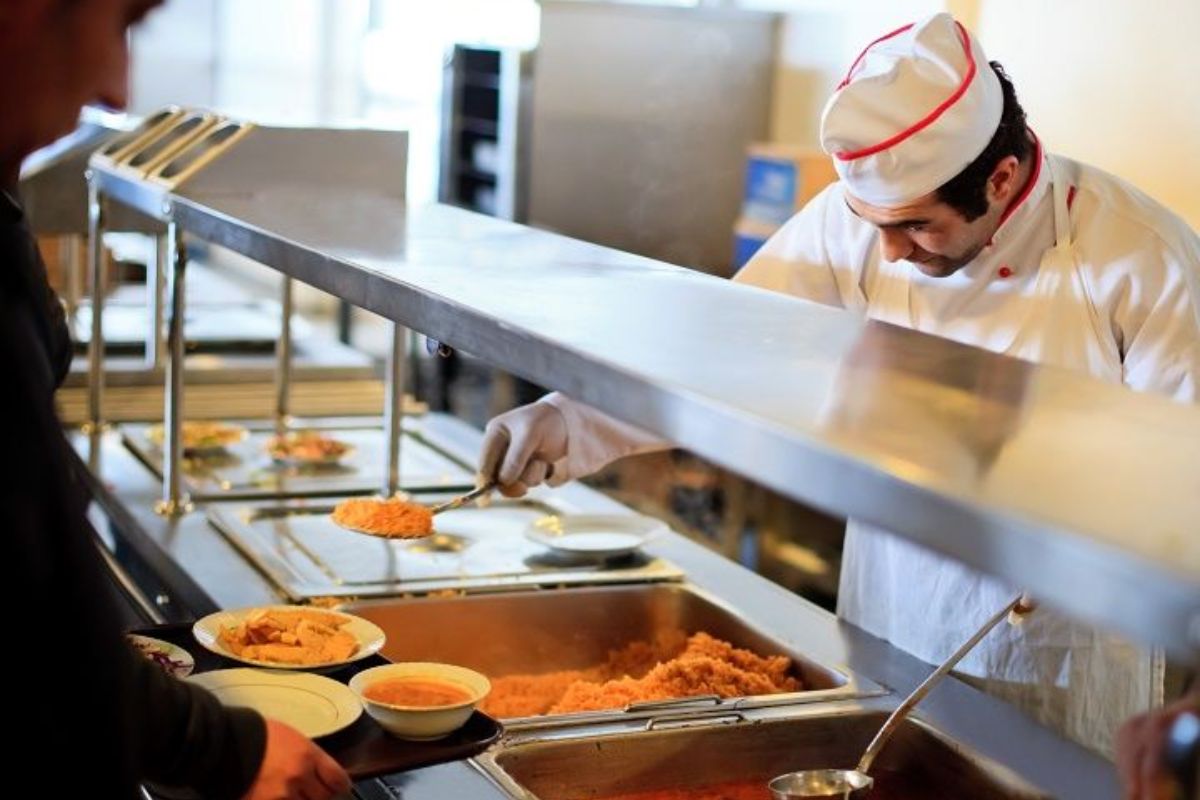
Every workplace has different dining needs. A small office may require a compact cafeteria service, while a factory with multiple shifts may need a higher serving capacity and meals available throughout the day.
Professional cafeteria services can be customized to suit an organization’s size, schedule, and budget. Depending on the requirements, businesses may choose daily meal preparation, food delivery, packed meals, or catering for meetings and internal events.
Cafeteria operators can assess employee numbers, meal periods, kitchen facilities, seating capacity, and budget before recommending a suitable service model. For example, factories may need scheduled meals for different shifts, while corporate offices may prioritize varied lunch menus and convenient payment options.
8. Enhancing the Overall Workplace Dining Experience
A successful workplace cafeteria depends on more than food quality. Clean dining areas, organized queues, helpful staff, and reliable service all contribute to employee satisfaction.
Professional cafeteria operators can monitor service standards, collect employee feedback, and address recurring issues. Businesses can assess performance by reviewing meal quality, menu variety, waiting times, cleanliness, and food availability. Regular communication between management and the operator helps maintain consistent service and create a welcoming dining environment.
Conclusion
Professional cafeteria services and experienced cafeteria operators play an important role in workplace dining. They help businesses provide convenient meals, maintain food safety, improve operational efficiency, manage costs, and accommodate different employee preferences.
From menu planning and hygiene management to waste reduction and daily service coordination, professional support can make cafeteria operations more organized and consistent. By selecting a provider that understands their workforce, schedule, and budget, businesses can establish a practical dining arrangement that supports employee comfort and workplace needs.
Planning an event and need exceptional catering? BIG ONION has you covered
From weddings to canapes and Chinese food catering,
BIG ONION is your one-stop provider for premier catering services in Malaysia.


