
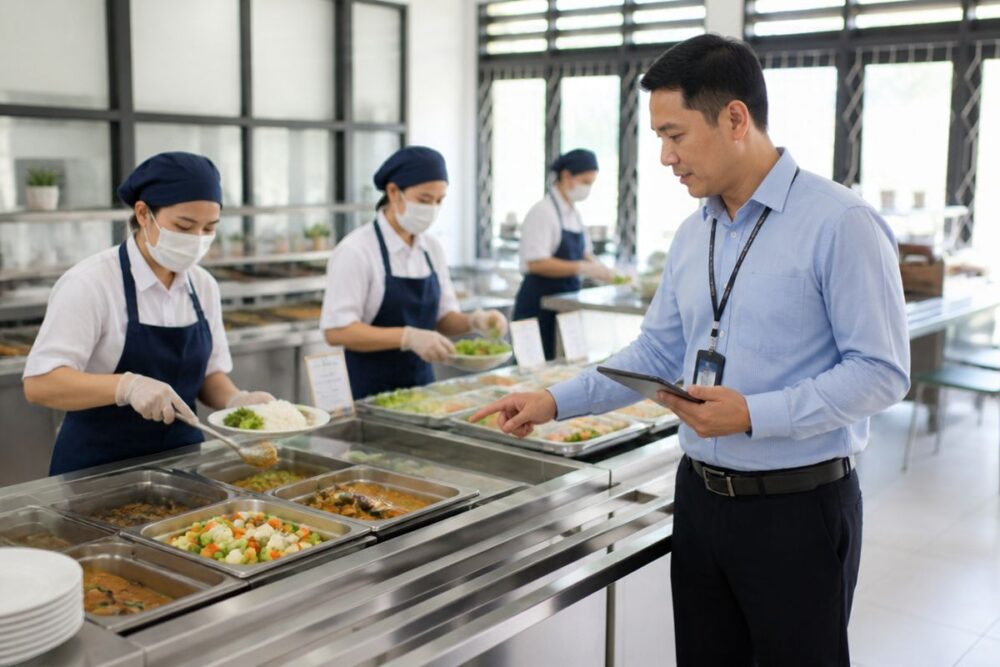
The Role of a Company Cafeteria Operator in Maintaining Food Safety and Hygiene
- 22 October 2026
Food safety and hygiene are essential in any workplace cafeteria, where meals are prepared and served to employees every day. Poor food handling, improper storage, and unclean facilities can increase the risk of food contamination and affect employee well-being. A professional company cafeteria operator helps businesses streamline food preparation processes and uphold consistent hygiene standards.
A cafeteria operator is responsible for more than preparing meals. The role may include managing ingredient supplies, monitoring food storage, supervising kitchen staff, maintaining equipment, and ensuring that dining areas remain clean. By implementing appropriate food safety practices, cafeteria operators can support a safer dining environment and help businesses provide reliable meal services.
1. Maintaining Clean Food Preparation Areas
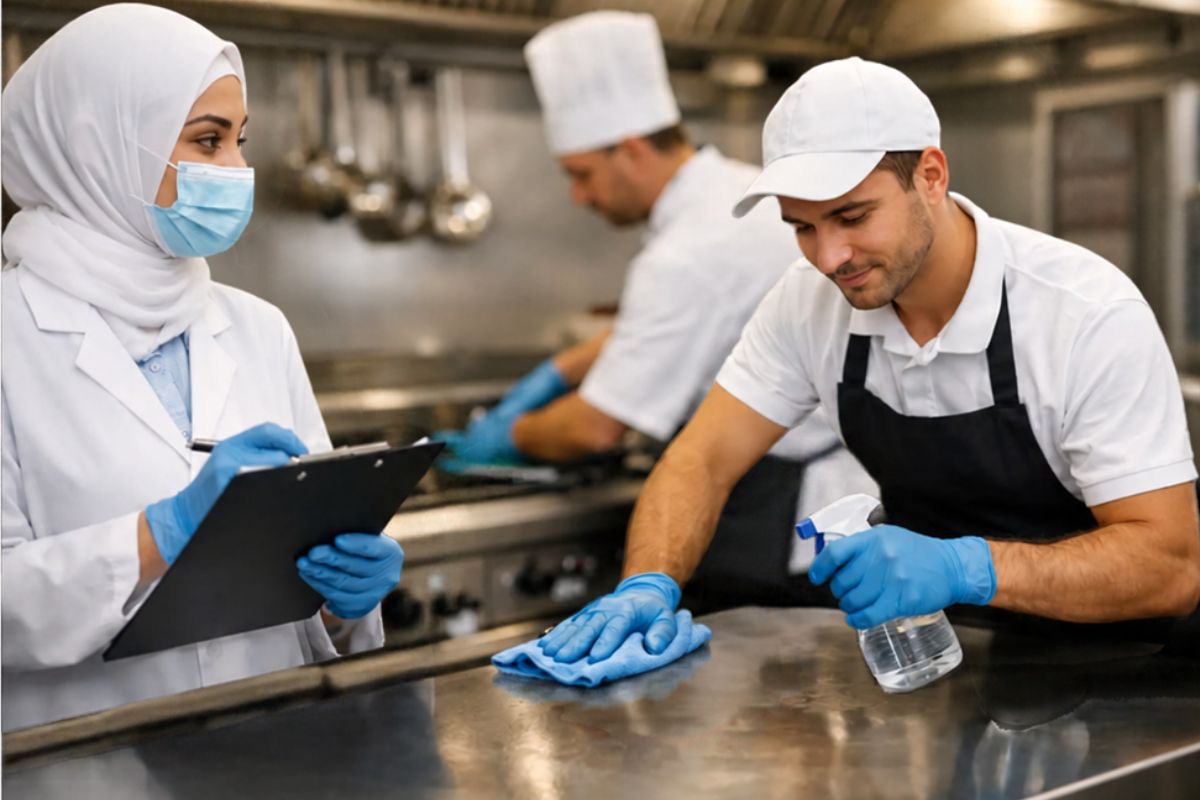
Clean food preparation areas help prevent contamination from food residue and bacteria. Kitchen counters, cutting boards, equipment, and utensils should be cleaned regularly.
A company cafeteria operator should set clear cleaning schedules and train staff to use suitable cleaning products and maintain equipment properly.
Important cleaning practices include:
– Cleaning food preparation surfaces before and after use.
– Washing and sanitizing utensils and equipment according to appropriate procedures.
– Keeping floors, sinks, and drains clean.
– Removing food waste promptly.
– Maintaining clean dining tables and serving areas.
– Ensuring cleaning supplies are stored safely away from food.
Consistent cleaning procedures help prevent the buildup of dirt and food residue while making it easier to maintain hygiene throughout daily operations.
2. Ensuring Proper Food Storage
Proper food storage helps maintain freshness and prevent contamination. Ingredients should be kept at suitable temperatures and protected from exposure.
A professional company cafeteria operator should monitor storage temperatures, maintain refrigeration equipment, and separate raw ingredients from ready-to-eat foods.
Using a first-in, first-out (FIFO) system and checking expiry dates helps staff manage stock and identify unsuitable ingredients before preparation.
3. Training Staff in Food Hygiene Practices
Kitchen staff play a direct role in maintaining food safety. Even when a cafeteria has established procedures, inconsistent handling practices can create risks. Appropriate training helps employees understand their responsibilities and follow the required standards.
A company cafeteria operator should ensure that staff receive suitable instruction on personal hygiene, safe food handling, cleaning procedures, and contamination prevention. Training should also be reinforced through supervision and regular reminders.
Key practices include:
– Washing hands properly before handling food and after activities that may cause contamination.
– Wearing clean work clothing and suitable protective items where required.
– Keeping food preparation tools clean.
– Following procedures for handling raw and cooked ingredients.
– Reporting illnesses or hygiene issues in line with workplace procedures.
– Using cleaning chemicals safely and correctly.
Regular training helps staff apply food safety procedures consistently and understand why these practices matter during busy meal periods.
4. Preventing Cross-Contamination
Cross-contamination occurs when harmful microorganisms or unwanted substances transfer from one food, surface, or piece of equipment to another. This can happen when raw meat comes into contact with cooked food or when unclean utensils are reused without proper washing.
A company cafeteria operator should establish clear procedures to separate raw ingredients from cooked and ready-to-eat foods. Separate cutting boards, suitable storage arrangements, and properly cleaned utensils can help reduce contamination risks.
Staff should also follow appropriate handwashing procedures when switching between different food preparation tasks. Food preparation areas should be organized to prevent unnecessary contact between ingredients and equipment used for different purposes.
These precautions are particularly important in busy cafeterias that prepare meals in large quantities. Consistent supervision helps ensure that staff follows established procedures even during peak service hours.
Plan Your Perfect Event with Big Onion Caterer
Experience exceptional halal catering in Malaysia—custom menus, fresh ingredients, and flawless service for weddings, parties, corporate events and other occasions.
5. Monitoring Food Preparation and Serving Temperatures
Temperature control helps prevent harmful bacteria from growing in food. A professional cafeteria operator should check food temperatures during cooking, storage, reheating, and serving to comply with food safety standards.
Staff should use suitable food thermometers and keep temperature records to identify problems. Any equipment faults or unsafe food conditions should be addressed promptly.
Maintaining suitable temperatures and practicing proper food handling during buffet service helps preserve food quality and prevent contamination.
6. Managing Ingredient Quality and Supplier Deliveries
Food safety starts with checking ingredient quality before preparation. Ingredients with damaged packaging, expired dates, or poor delivery conditions may be unsafe for use and increase food safety risks.
A company cafeteria operator should inspect deliveries, check expiry dates and storage temperatures, and work with reliable suppliers.
Regular inventory checks and accurate delivery records help ensure ingredients are stored properly and unsuitable products are kept out of meals served to employees.
7. Maintaining Kitchen Equipment and Facilities
Kitchen equipment must be kept clean and in good working condition to support safe food preparation. Refrigerators, freezers, ovens, cooking appliances, ventilation systems, and dishwashing equipment all contribute to daily cafeteria operations.
A company cafeteria operator should schedule routine cleaning, inspections, and maintenance based on each piece of equipment’s requirements. Faulty refrigeration units, damaged surfaces, or malfunctioning dishwashing equipment should be reported and addressed promptly.
Proper equipment maintenance can help prevent food storage problems and reduce the risk of contamination. Operators should also ensure that handwashing facilities, sinks, waste containers, and drainage systems are maintained appropriately.
Keeping facilities in good condition supports a cleaner kitchen and helps staff carry out their duties more effectively.
8. Managing Food Waste and Pest Prevention
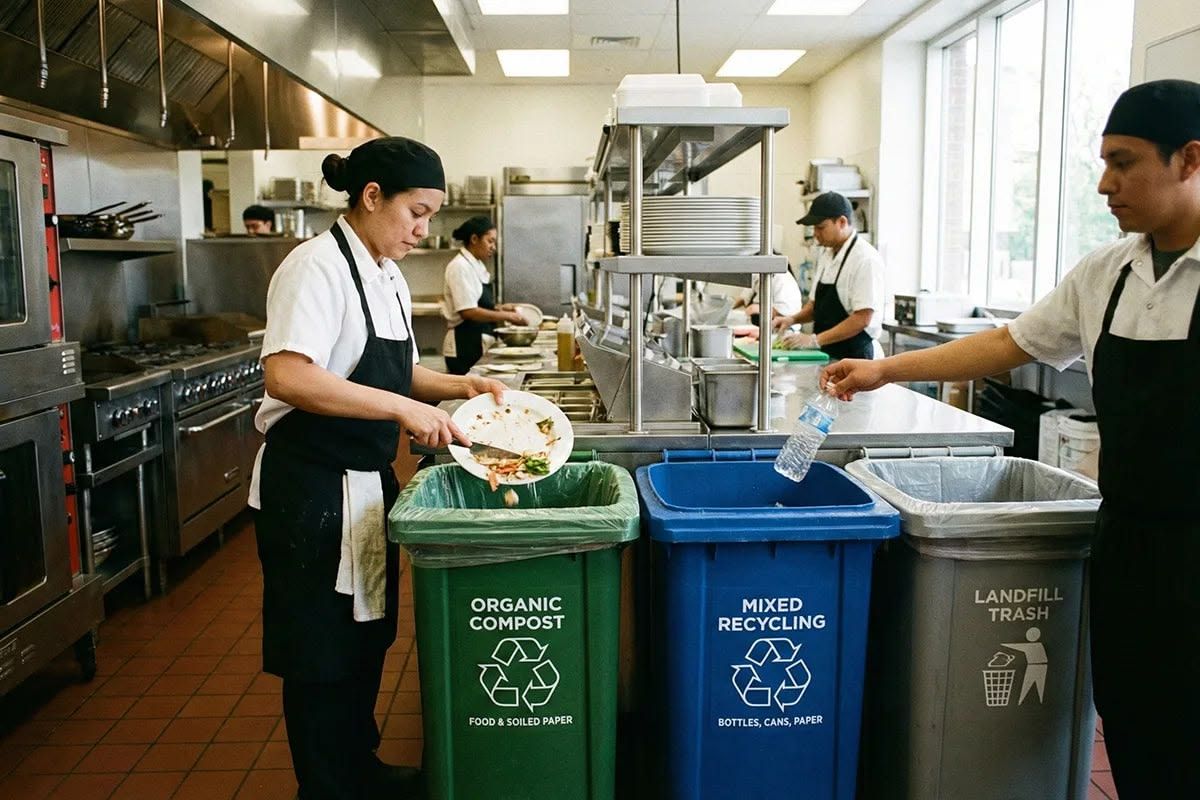
Food waste can attract pests and create hygiene problems if it is not handled correctly. Leftover ingredients, food scraps, and overflowing bins can affect the cleanliness of both kitchen and dining areas.
A company cafeteria operator should establish clear waste management procedures. Bins should be emptied regularly, waste should be stored appropriately before collection, and surrounding areas should be cleaned to prevent residue from accumulating.
Preventive pest control is also important. Operators should monitor signs of pest activity, keep food properly covered, and ensure that entry points and storage areas are maintained. Professional pest control services may be needed when appropriate.
These practices help maintain a cleaner workplace cafeteria and reduce conditions that may encourage pests.
9. Keeping Records and Following Food Safety Requirements
Food safety procedures should be documented and monitored regularly to ensure consistent cleaning, temperature checks, staff training, and equipment maintenance.
A company cafeteria operator should keep records such as cleaning schedules, temperature logs, delivery details, training records, and maintenance reports.
Regular reviews help businesses ensure compliance with Malaysian food safety requirements, identify gaps, and maintain consistent hygiene practices.
Conclusion
A company cafeteria operator plays an important role in maintaining food safety and hygiene throughout workplace dining operations. From cleaning preparation areas and storing ingredients properly to training staff, preventing cross-contamination, and monitoring temperatures, each procedure helps reduce risks and protect employees.
Businesses should choose cafeteria operators that demonstrate clear food safety practices, appropriate staff training, and reliable operational management. Regular inspections, proper recordkeeping, and timely maintenance further support a hygienic dining environment.
By prioritizing food safety at every stage, company cafeteria operators can help businesses provide meals that are prepared and served responsibly while supporting employee confidence in workplace dining.
Planning an event and need exceptional catering? BIG ONION has you covered
From weddings to canapes and Chinese food catering,
BIG ONION is your one-stop provider for premier catering services in Malaysia.


