
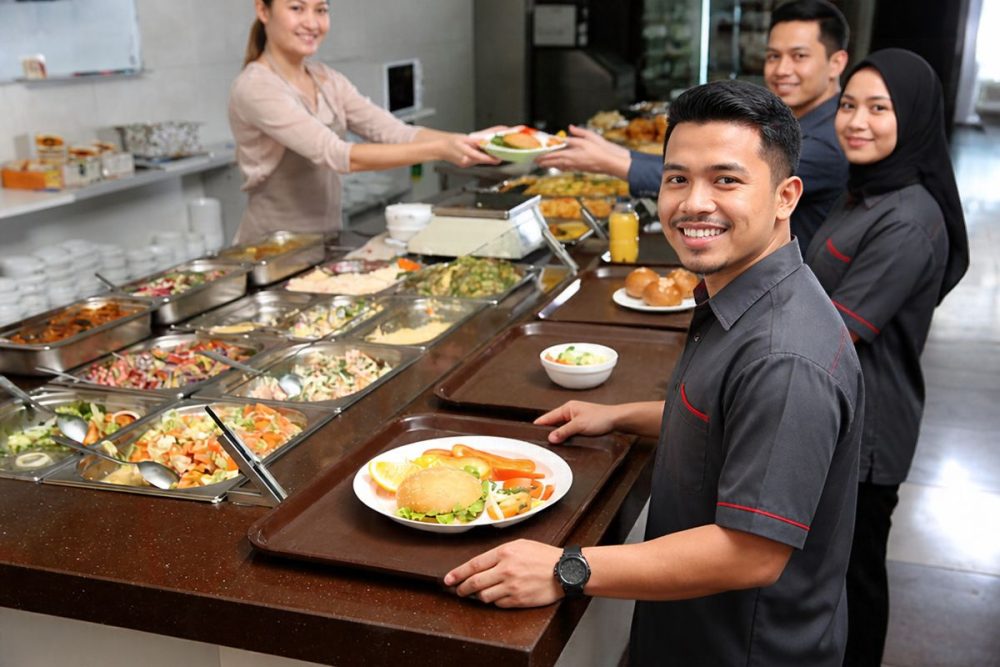
The Importance of Food Safety and Hygiene in Cafeteria Service
- 6 November 2026
Food safety and hygiene are essential for maintaining a clean and healthy dining environment. Whether serving employees, students, or visitors, a cafeteria must follow proper food handling practices to protect customers and maintain service quality. Poor hygiene can lead to food contamination, foodborne illnesses, and a loss of customer confidence.
For organizations that operate or outsource cafeteria services, maintaining food safety requires consistent attention to food preparation, storage, cooking, and serving procedures. Proper staff training, regular cleaning, and compliance with food safety requirements also help ensure meals are prepared under suitable conditions.
1. Prevent Food Contamination
Preventing food contamination is one of the main responsibilities of a cafeteria service provider. Contamination can occur when food comes into contact with harmful bacteria, chemicals, foreign objects, or unclean surfaces.
To reduce these risks, cafeteria operators should implement proper food handling procedures, including:
- Separate raw and cooked food: Use different utensils and preparation areas to prevent cross-contamination.
- Clean preparation surfaces: Sanitize countertops, cutting boards, and kitchen equipment regularly.
- Use safe ingredients: Purchase food from reliable suppliers and check ingredient quality before preparation.
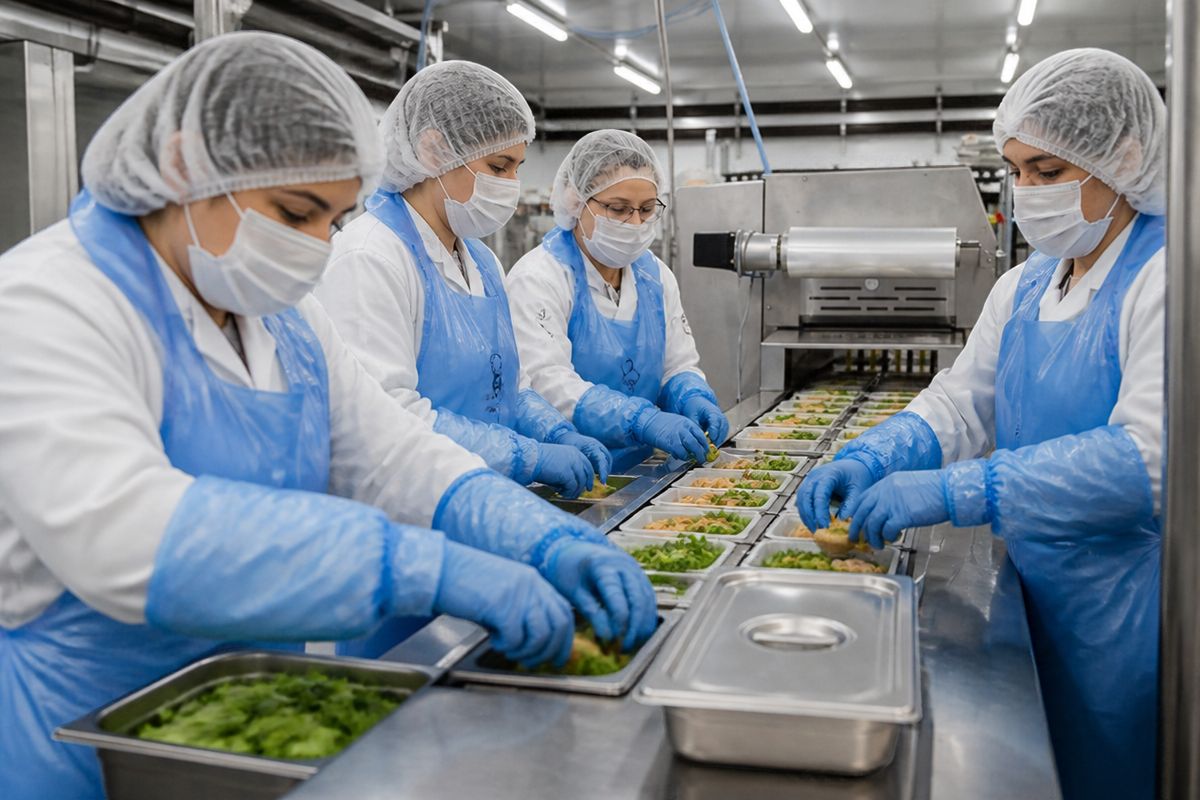
- Maintain personal hygiene: Require food handlers to wash their hands and wear clean protective clothing.
- Store food properly: Keep ingredients in suitable conditions to prevent spoilage and contamination.
These practices help maintain food quality and reduce the likelihood of contamination during daily cafeteria operations.
2. Maintain Proper Food Storage and Temperature Control
Proper food storage is important for preventing bacterial growth and maintaining ingredient freshness. Perishable items such as meat, seafood, dairy products, and prepared meals require suitable storage conditions.
Cafeteria operators should monitor storage temperatures and follow recommended food safety procedures. Refrigerated and frozen ingredients should be stored appropriately, while dry goods should be kept in clean, dry, and well-ventilated areas.
Temperature control is equally important during cooking and serving. Food should be cooked thoroughly and kept at appropriate hot- or cold-holding temperatures to reduce the risk of bacterial growth.
Other important practices include:
- Labeling food with preparation or expiry dates.
- Following the first-in, first-out (FIFO) inventory method.
- Checking refrigerator and freezer temperatures regularly.
- Avoiding prolonged storage at room temperature.
- Discarding food that shows signs of spoilage or has been stored improperly.
Consistent storage and temperature monitoring can help cafeteria service providers maintain food safety throughout the preparation and serving process.
3. Ensure Cleanliness in Food Preparation Areas
A clean kitchen helps reduce contamination risks and supports efficient cafeteria operations. Food preparation areas, cooking equipment, utensils, and dining spaces should be cleaned according to a regular schedule.
Cafeteria operators should establish cleaning procedures that cover different areas of the facility. These may include food-preparation counters, cooking stations, refrigerators, dishwashing areas, dining tables, and waste-disposal points.
Regular cleaning should also involve checking for grease buildup, food residue, pests, and other potential hygiene concerns. Proper waste management is important because accumulated food waste can attract insects and rodents.
By maintaining a clean working environment, cafeteria operators can support safer food preparation and provide customers with a more comfortable dining experience.
4. Train Cafeteria Staff on Food Safety Practices
Food handlers play an important role in maintaining hygiene standards. Without proper training, staff may unknowingly introduce contamination through incorrect food handling, poor personal hygiene, or improper cleaning procedures.
Cafeteria service providers should provide regular food safety training to ensure employees understand their responsibilities. Important training areas include:
- Handwashing procedures: Teach staff when and how to wash their hands properly.
- Safe food handling: Explain how to handle raw ingredients and prepared meals.
- Personal hygiene: Require clean uniforms, hair coverings, and suitable protective equipment.
- Food storage: Ensure employees understand and follow proper food storage and temperature control practices.
- Cleaning practices: Ensure staff understand how to clean and sanitize kitchen equipment.
Regular training helps employees follow consistent hygiene practices and respond appropriately to potential food safety risks.
Plan Your Perfect Event with Big Onion Caterer
Experience exceptional halal catering in Malaysia—custom menus, fresh ingredients, and flawless service for weddings, parties, corporate events and other occasions.
5. Prevent Pest Infestations
Pest control is another important part of food safety in cafeteria service. Insects and rodents can spread bacteria, contaminate ingredients, and damage food storage areas.
Preventing pest problems requires proper waste management, regular cleaning of food preparation areas, and routine inspections of storage spaces.
Additional preventive measures include:
- Keeping food containers properly sealed.
- Removing food waste promptly.
- Cleaning spills and food residue immediately.
- Maintaining clean drains and waste disposal areas.
- Scheduling regular pest inspections and control services.
Taking preventive action can help protect food supplies and maintain a hygienic cafeteria environment.
6. Follow Food Safety Regulations and Standards
Cafeteria operators must comply with applicable food safety and hygiene requirements. In Malaysia, food premises and food handlers are subject to requirements under the Food Act 1983 and Food Hygiene Regulations 2009. These regulations cover important areas such as food handling, premises cleanliness, and food handler responsibilities.
Organizations should work with cafeteria service providers that understand the relevant requirements and maintain appropriate operating procedures.
Some important considerations include:
- Ensuring food handlers complete the required food handler training.
- Meeting applicable health and hygiene requirements.
- Maintaining clean food preparation and storage facilities.
- Keeping relevant food safety records.
- Conducting regular internal hygiene inspections.
Following applicable regulations helps organizations maintain consistent food safety practices and demonstrate their commitment to responsible cafeteria management.
7. Maintain Food Quality and Customer Confidence
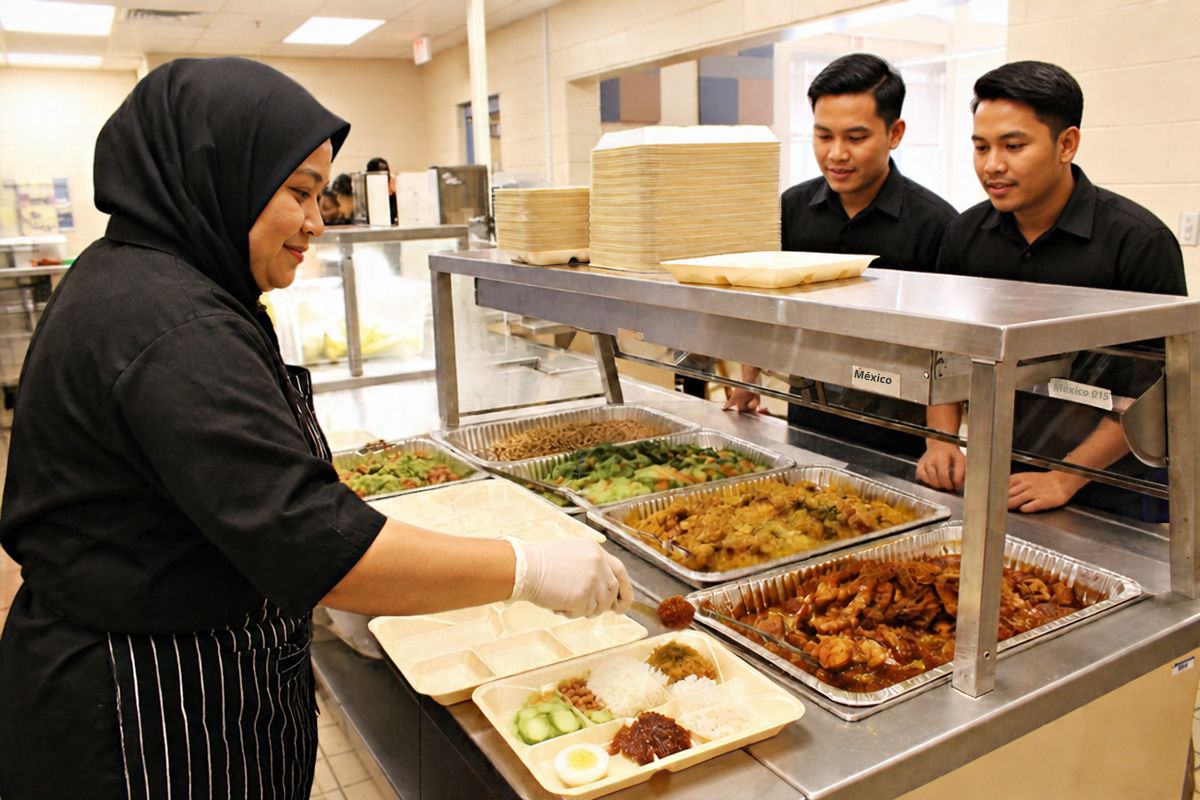
Food safety and hygiene also influence customers’ confidence in a cafeteria. Employees and visitors are more likely to use dining facilities when they feel comfortable with the cleanliness, food quality, and overall service standards.
A well-managed cafeteria should maintain consistent food preparation procedures, serve fresh meals, and provide clean dining spaces. Staff should also monitor food presentation and serving conditions throughout operating hours.
Organizations can further improve cafeteria service by collecting customer feedback about food quality, cleanliness, menu variety, and service efficiency. This information can help operators identify areas that require improvement.
Maintaining these standards supports customer satisfaction and encourages regular use of the cafeteria.
8. Establish Regular Food Safety Inspections
Regular inspections help identify potential hygiene problems before they develop into more serious issues. Cafeteria operators should conduct routine checks across food preparation areas, storage facilities, cooking equipment, and dining spaces.
An inspection checklist can cover several important areas:
- Cleanliness of kitchen surfaces and equipment.
- Food storage temperatures and expiry dates.
- Proper separation of raw and cooked ingredients.
- Staff personal hygiene and protective clothing.
- Waste disposal and pest control arrangements.
- Condition of dining tables and serving stations.
Inspection findings should be documented, and corrective actions should be taken when problems are identified. Consistent monitoring helps cafeteria operators maintain hygiene standards during daily operations.
Conclusion
Food safety and hygiene are essential for providing reliable cafeteria service. Proper food handling, temperature control, kitchen cleanliness, staff training, pest prevention, and regular inspections all contribute to a safer dining environment.
Organizations should work with responsible cafeteria service providers that prioritize food safety and comply with applicable requirements. By maintaining consistent hygiene practices, cafeterias can protect customers, improve food quality, and support a healthier workplace or learning environment.
Planning an event and need exceptional catering? BIG ONION has you covered
From weddings to canapes and Chinese food catering,
BIG ONION is your one-stop provider for premier catering services in Malaysia.


